functional utility
Elemental Purity: Safe Water Infusion & Environmental Detox Methods
By Clara Vance · Apr 17, 2026
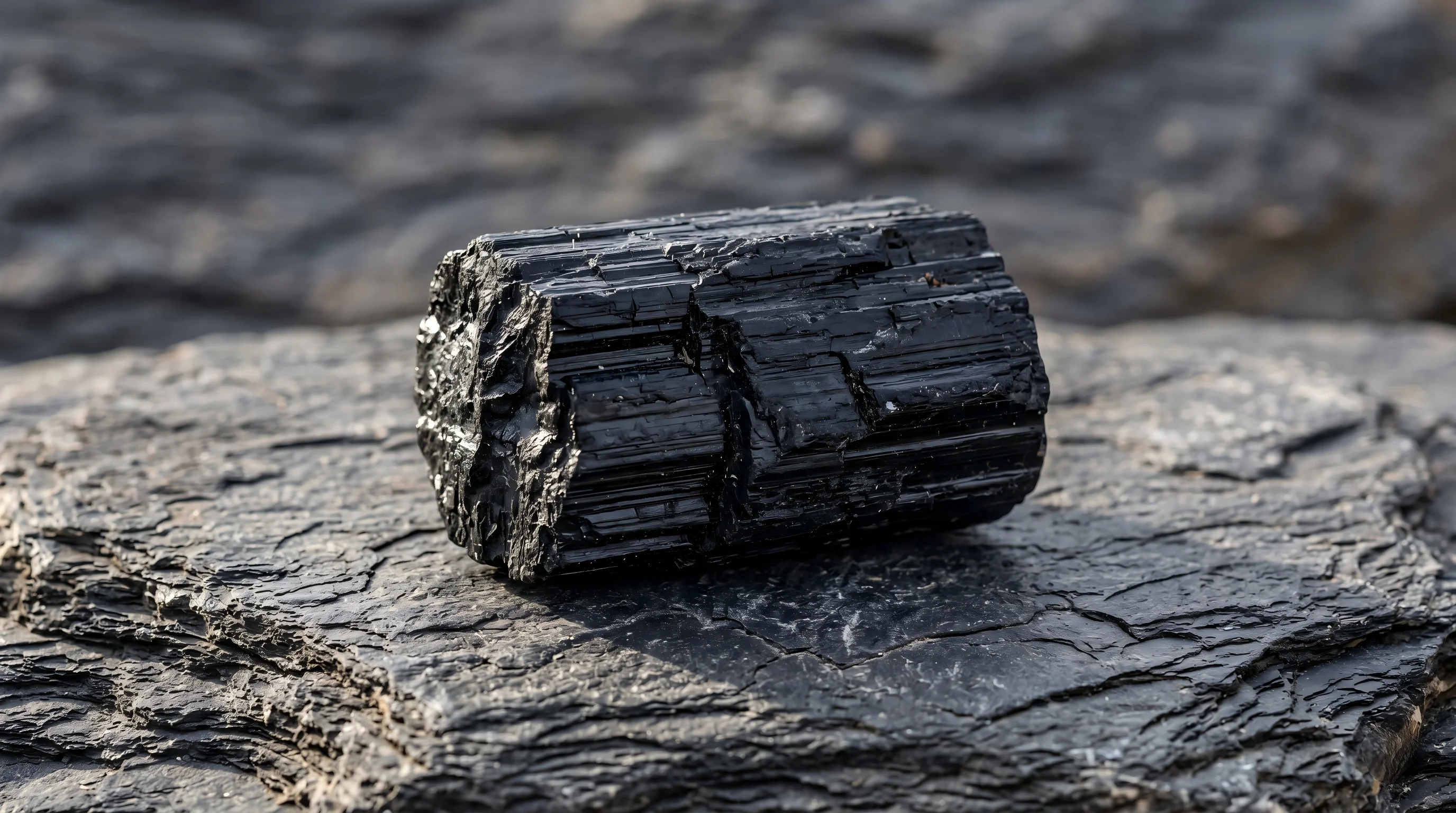
Fluid Architecture: Industrial Procurement Standards for Advanced Hydration Systems
Operating for three decades as a senior procurement auditor and technical evaluator within the global hydration and biochemical filtration sector requires a ruthless adherence to mechanical reality.
Consumer markets frequently overflow with pseudoscientific marketing regarding pristine hydration and environmental clearance protocols. Stripping away the branding to examine fluid dynamics and chemical compositions under an industrial microscope reveals a starkly different baseline.
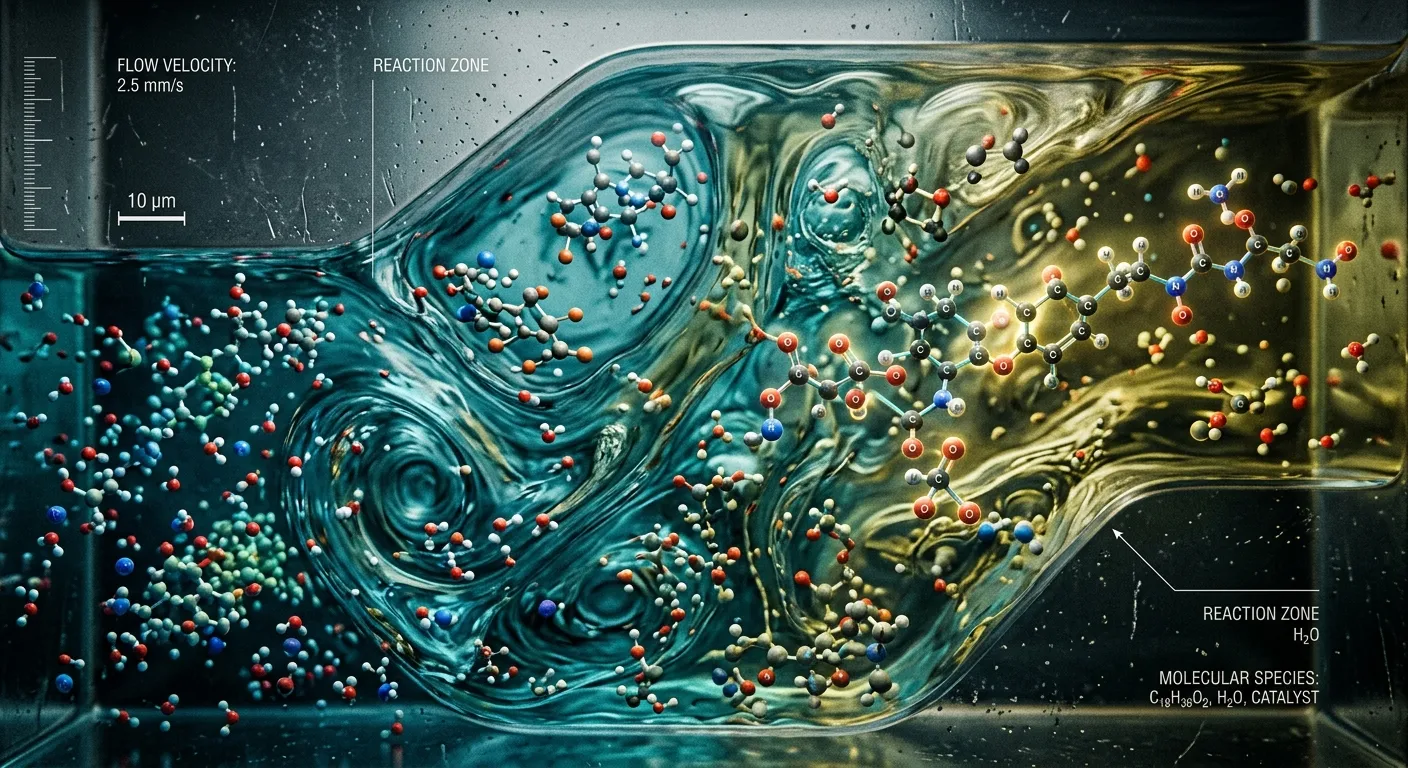
Truly understanding water purity and its hidden impurities demands moving beyond rudimentary filtration mechanics to analyze molecular architecture, specific gravities, and toxicological assaying.
This manuscript is engineered for the uncompromising professional. Rather than discussing subjective wellness metrics, the following text provides a comprehensive overview of water structuring mechanics, the precise chromatographic verification of botanical infusions, and the engineering frameworks historically intended to support natural detoxification pathways through mechanical fluid optimization.
Precise Positioning & Core Analytical Metrics
The commercial landscape for fluid processing has bifurcated. Aggressive, industrial-scale purification mechanisms, such as Reverse Osmosis and Deionization, strip fluids of all geological identity.
Conversely, alternative engineering philosophies pursue the synthesis of what is colloquially termed "living" fluid—a medium acting as a highly efficient, bio-compatible solvent.
The primary objective extends beyond the mere absence of mechanical contaminants to the presence of functional utility. System architects often engineer these mediums with the theoretical goal to enhance cellular absorption and bioavailability, focusing on the mechanical transport of botanical compounds through specific fluid dynamic configurations.
The Fallacy of Absolute Purity
Within the industrial sector, an absolutely pure fluid does not exist in a stable state. Acting as the universal solvent, H2O aggressively seeks equilibrium.
High-purity deionized water, measuring at a theoretical 18.2 megohms of electrical resistivity and 0.055 µS/cm conductivity, immediately undergoes autodissociation. This chemical reaction transfers protons between molecules, creating hydronium and hydroxide ions.
Furthermore, the fluid instantly absorbs atmospheric carbon dioxide, rendering it acidic and highly corrosive to industrial piping. Absolute purity remains a hostile state rather than an optimal functional baseline.
Contaminant Deletion Threshold (CDT) Mechanics
Evaluating any system requires strict adherence to mechanical metrics. The apparatus must demonstrate a logarithmic reduction of volatile organic compounds, heavy metals, and emerging synthetic threats using Liquid Chromatography/Tandem Mass Spectrometry verification.
This establishes the baseline for mechanical safety and operational integrity.
Electrical Resistivity Versus Total Dissolved Solids
Total Dissolved Solids functions as a crude, largely ineffective metric for advanced procurement. Measuring specific ionic activity provides a much clearer picture.
Targeting an electrical resistivity of 1 to 2 megohms post-filtration, followed by controlled remineralization, ensures the fluid maintains structural integrity without becoming biologically or mechanically corrosive.
Bioavailable Mineral Yield and Ionic State
The concentration of alkaline earth metals, specifically calcium and magnesium, requires evaluation based on their ionic state rather than mere presence.
The ionic configuration dictates the mechanical efficiency of cellular uptake, a parameter heavily scrutinized in advanced fluid processing and material science.
Phytochemical Integrity and Botanical Verification
Integrating botanical elements into fluid systems demands rigorous validation. The quality and purity of ingredients must undergo High-Performance Thin-Layer Chromatography to ensure zero adulteration or heavy metal cross-contamination.
This mechanical verification process separates the legitimate application of plant matter from fraudulent supply chain practices.
The Baseline of Fluid Dynamics and Structuring
Advanced fluid processing often requires a solvent capable of maintaining specific tetrahedral molecular arrangements. Advanced fluid dynamics frequently refers to this configuration as the essence of structured water.
Exhibiting lower surface tension and specific viscosity modifications, this geometric arrangement theoretically accelerates the mechanical clearance of accumulated particulates within closed systems.
Deep Anatomy & Horizontal Comparison: Fluid Configurations
Executing a deep anatomical dissection of the fluid itself and its corresponding infusions remains mandatory for professional procurement.
The variance between a high-performance hydration matrix and an aggressive, de-ionized fluid lies entirely in the molecular architecture and the geological origin of its mineral payload.
Molecular Architecture: Bulk Water Versus Coherent Lattices
Standard municipal infrastructure transports "bulk water," where molecules form chaotic, large clusters due to random hydrogen bonding. This mechanical state increases surface tension.
Conversely, specific kinetic applications—such as vortex dynamics, magnetic resonance, or natural geological percolation—force the molecules into a coherent, repeating tetrahedral lattice.
Serving as a definitive guide to structured water from a biophysics standpoint, this geometric state requires less kinetic energy for aquaporin channels to process, representing a measurable shift in fluid dynamics.

The Anatomy of Natural Aquifer Mineralization
The origin of mineral waters heavily dictates their mechanical and chemical profile.
Groundwater percolating through limestone and basalt aquifers undergoes a complex neutralization reaction, naturally dissolving calcium and magnesium bicarbonates. This geological process creates a highly stable, ionically active fluid matrix.
The Anatomy of Synthetic Supplementation
Reverse osmosis strips the fluid of all ions. To compensate, system operators frequently introduce synthetic magnesium carbonate or rely on disjointed dietary sources.
This represents a highly fragmented approach to fluid mineralization, often resulting in varying degrees of solubility and systemic integration.
Thematic Analysis of Magnesium Bioavailability
A thematic analysis of historical market observations reveals a fascinating mechanical truth regarding mineral integration.
The magnesium bioavailability from mineral waters with varying mineralization levels statistically mirrors the absorption rates of isolated pharmaceutical supplements.
Furthermore, the presence of sulfates or calcium in the fluid does not hinder this mechanical absorption. Consequently, high-magnesium geological fluids act as highly efficient delivery systems.
Botanical Identity and Purity Testing Protocols
Protocols frequently call for infusing fluids with specific botanicals. The global supply chain, however, remains fraught with inconsistencies.
Professional auditors reject standard certificates of analysis without third-party botanical identity and purity testing. Exploiting differences in polarity, High-Performance Thin-Layer Chromatography separates the complex chemical compounds on a silica plate.
Comparing this chromatographic fingerprint against certified reference standards down to the 5-10 picogram detection limit is the only mechanical way to validate the historical medicinal use of water infusions.

Bridging Clean Water and Living Water
Synthesizing these paradigms represents the ultimate engineering objective. Utilizing advanced nanofiltration achieves the "clean" baseline.
Immediately routing the fluid through a structuring and remineralization matrix resurrects the mechanical profile, bridging the gap between clean water and living water. This dual-stage architecture stands as the accepted standard for top-tier installations.
Risk Mitigation & Verification: Navigating the Purity Minefield
Marketing gimmicks frequently mask severe mechanical risks within the purification industry. Facility managers often equate "zero TDS" with optimal performance, stepping blindly into an infrastructure trap.
The Zero TDS Trap and Autodissociation
Fluids with zero dissolved solids remain highly unstable, acting as aggressive scavengers.
When deployed long-term in industrial or residential piping, ultra-pure water actively corrodes stainless steel and copper to satisfy its ionic deficit. This mechanical degradation translates to significant infrastructure failure.
Identifying Hidden Impurities and Cyanotoxins
Biofilm accumulation presents another massive mechanical risk. Bacteria can attach to pipe walls, forming a biofilm that continuously sloughs off pyrogens.
A system might pass a basic microbial count while failing a Limulus Amebocyte Lysate endotoxin test.
Astute procurement demands EPA Method 544 testing via SPE-LC/MS/MS to detect complex cyanotoxins, which frequently survive basic carbon filtration.
Historical Context of Reverse Osmosis Depletion
A qualitative observation from a past audit involving a high-end facility highlights this mechanical failure. The facility invested heavily in a centralized, multi-pass Reverse Osmosis system boasting "absolute zero" metrics.
Within six months, the expensive espresso machines and hydrotherapy tubs suffered from severe pitting and seal degradation. The fluid exiting the membrane possessed an electrical resistivity of 15 megohms.
Upon hitting the holding tanks, it absorbed ambient CO2, dropping the pH to an acidic 5.4.
Installing a calcitic limestone contactor to reintroduce calcium bicarbonate, followed by a vortex-based structuring chamber, stabilized the pH at 7.4 and ceased the equipment corrosion. Filtration without remineralization equates to mechanical sabotage.
Dynamic Challenge Testing Protocols
Relying on a manufacturer's initial specification sheet is a procurement error.
Auditors must demand dynamic challenge testing to observe how the filtration media performs at month six, rather than just day one. This measures the actual degradation curve of the carbon or membrane structure.
Endotoxin Assay Verification
For any system storing fluid in holding tanks, demanding LAL testing is non-negotiable.
This mechanical verification ensures the absence of pyrogenic shedding from hidden biofilm matrices.
HPTLC Fingerprint Mandates
Procuring any infused botanical product necessitates demanding the actual chromatographic plates.
This visual, mechanical proof guarantees the absence of adulterants and verifies the structural integrity of the plant matter.
Use-Case Adaptation & Value Assessment
Deploying these technologies requires ruthless adaptation to specific environmental constraints, budgets, and mechanical objectives. The following architectures represent distinct procurement scenarios.
Scenario 1: High-Performance Optimization Architecture
Profile: Facilities demanding peak mechanical fluid performance and aggressive particulate clearance.
System Architecture: A point-of-entry ultra-filtration system removes macro-particulates, followed by a point-of-use multi-stage RO system. The RO permeate routes through a pharmaceutical-grade remineralization cartridge loaded with deep-sea derived magnesium. Finally, the fluid passes through an inline magnetic vortex generator to achieve tetrahedral structuring.
Infusion Protocol: Augmentation utilizes HPTLC-verified, cold-extracted botanical tinctures to modify the fluid's specific gravity and chemical profile.
Value Assessment: While capital expenditure remains high, the value-to-cost ratio focuses on verifiable reductions in infrastructure scaling and precise mechanical delivery of infused compounds.
Scenario 2: Urban Infrastructure Mitigation
Profile: Locations facing high risks of heavy metals, chlorine byproducts, and pharmaceutical runoff within aging municipal grids.
System Architecture: A high-capacity, three-stage activated carbon block system paired with a sub-micron ceramic filter captures volatile organic compounds and chloramines without the wastewater generation of RO membranes.
Infusion Protocol: Utilization of batch-tested, organic herbal infusions leveraging traditional methods of water treatment, such as the specific steeping of Moringa seeds, which mechanically act as natural coagulants.
Value Assessment: This setup provides a massive upgrade in daily mechanical safety, offering an exceptionally high value-to-cost ratio by mitigating the long-term infrastructure costs associated with particulate exposure.
Scenario 3: Commercial Hydrotherapy Integration
Profile: Commercial spas or clinics focused on traditional medicine and hydrotherapy requiring large volumes of modified fluid.
System Architecture: Implementing whole home water structuring is mandatory for this scale. Following a commercial-grade kinetic degradation fluxion and catalytic carbon tank to strip heavy metals, a high-flow inline structuring unit modifies the main water line.
Value Assessment: The commercial ROI relies on reduced maintenance, as the structural modification prevents hard scale buildup in heating elements. Furthermore, the mechanical preservation of the fluid's non-corrosive state translates to a subjective user experience often marketed as cleaner more energized water.
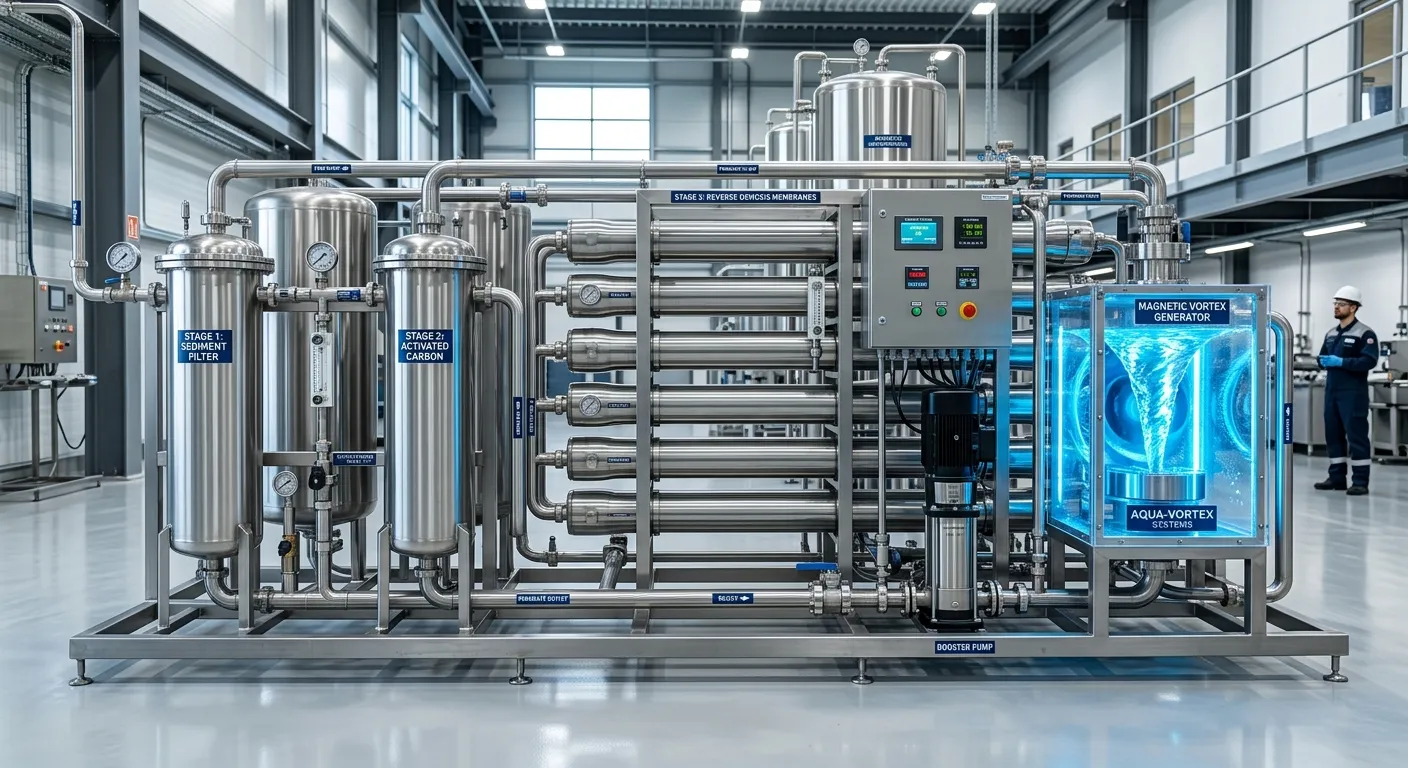
The Value-to-Cost ROI Assessment Framework
Justifying the capital expenditure of advanced purification systems requires calculating the Total Cost of Ownership over a 60-month period, encompassing hardware, annual filter replacements, and continuous chromatographic testing.
Contrasting this against the preventative infrastructure yield—which includes the elimination of bottled fluid logistics and the extension of plumbing lifespans due to scale mitigation—provides a clear economic picture.
Applying industrial scrutiny to fluid dynamics yields an absolute conclusion: investing in precise mechanical engineering, balancing aggressive purification with biomimetic structuring and verified infusions, remains the most critical procurement decision for facility optimization.
References & Literature
WC&P Online (2012). Understanding Water Purity and Its Hidden Impurities. WC&P Online.
PMC (2017). Magnesium bioavailability from mineral waters with different mineralization levels in comparison to bread and a supplement. PMC.
CTLA Testing (2023). Botanical Identity and Purity Testing. CTLA Testing.
Natural Action (2024). The Definitive Guide to Structured Water. Natural Action.