functional utility
Restorative Beauty: Integrating Mindful Elements into Biophilic Design
By Clara Vance · Apr 07, 2026
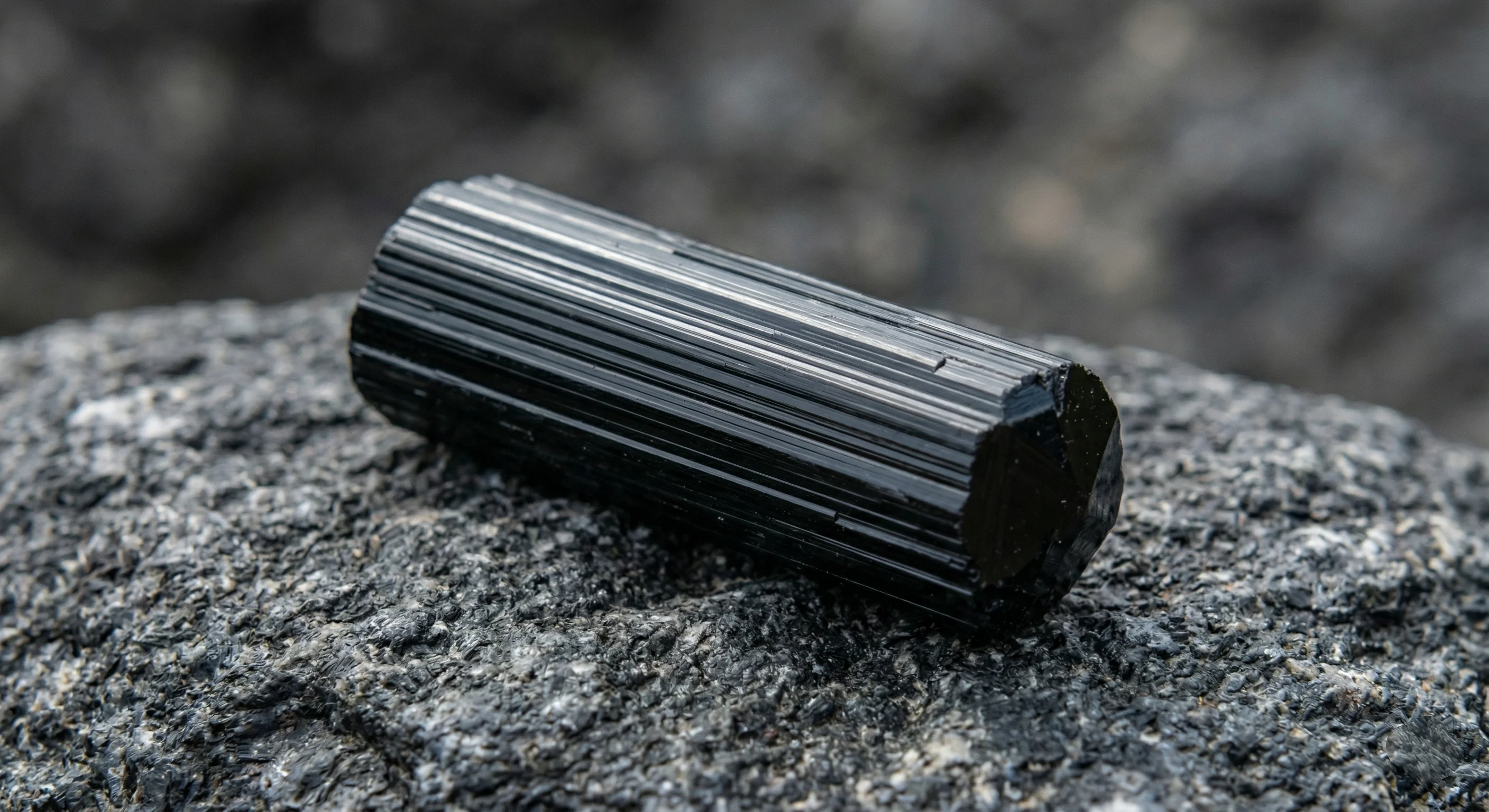
Restorative Beauty: Integrating Mindful Elements into Biophilic Design
I've spent the last decade tearing out the so-called "smart" integrations from luxury high-rises in Manhattan and London. Clients inevitably realize their glowing, hyper-connected walls are actively contributing to their daily fatigue. True aesthetic luxury in 2026 isn't a touchscreen on your fridge; it's a space that finally shuts up.
This immediate sense of relief is the defining characteristic of Restorative Interior Architecture. As modern life reaches unprecedented levels of digital density, mere visual decoration is failing us entirely. Stop trying to solve spatial discomfort with more furniture. We have entered the era of Biophilic Design 2.0, an aesthetic movement focused on environments that actively support cognitive decompression. By merging the grounding physical weight of Soft Eco-Brutalism with the intentional spatial flow of Mindful Placement, modern homes are being stripped back to their analog roots.
Interactive Experience: The Sensory Shift
Drag the slider to experience the visual difference between a high-stimulus environment (2025 standard) and a Biophilic Sanctuary (2026). Notice how visual noise and spatial typography affect your immediate reading comfort.
"Ah, visual clarity. The space feels breathable."
The Reality Check: Why 2025 Minimalism Failed +
The stark, gallery-white minimalism of the early 2020s was an aesthetic disaster masked as sophistication. I vividly remember standing in a newly commissioned $4M penthouse where the client had demanded uninterrupted drywall, polished concrete floors, and floor-to-ceiling glass. It looked incredible in photographs. In reality? It was an acoustic nightmare.
When you strip a room of all organic texture and mass, sound waves bounce aggressively. The simple act of putting a ceramic coffee mug down on a quartz island sounded like a gunshot. The ambient hum of the HVAC system echoed off the glass, creating a persistent, low-grade auditory pressure that left the residents deeply unsettled within thirty minutes of arriving home.
We thought "clean lines" meant "clean minds," but we ignored the sensory toll of hard, reflective surfaces. Biophilic Design 2.0 isn't just about throwing a few ferns in a corner to soften the look. It's an admission of failure. It is the architectural recognition that humans require tactile variation, acoustic dampening, and visual depth to feel fundamentally at ease in an enclosed volume.
The Clutter Crisis
The following chart illustrates the reduction in perceived daily lifestyle stressors—such as digital interruptions and visual clutter—in a mindful 2026 space compared to standard modern layouts. Note the drastic drop in acoustic clutter.
Thresholds of Peace: Mindful Placement & Entryway Sentinels
A hallway is a functional vessel; a threshold is a psychological firewall. Doomscrolling through an expensive front door doesn't equal relaxation.
We rely on Mindful Placement to engineer a forced pause. The modern entryway is stripped of mere utility—like key drops and coat racks—and rebuilt as a mandatory transition zone that commands your sensory attention before you step into the main living volume.
The Architectural Boundary
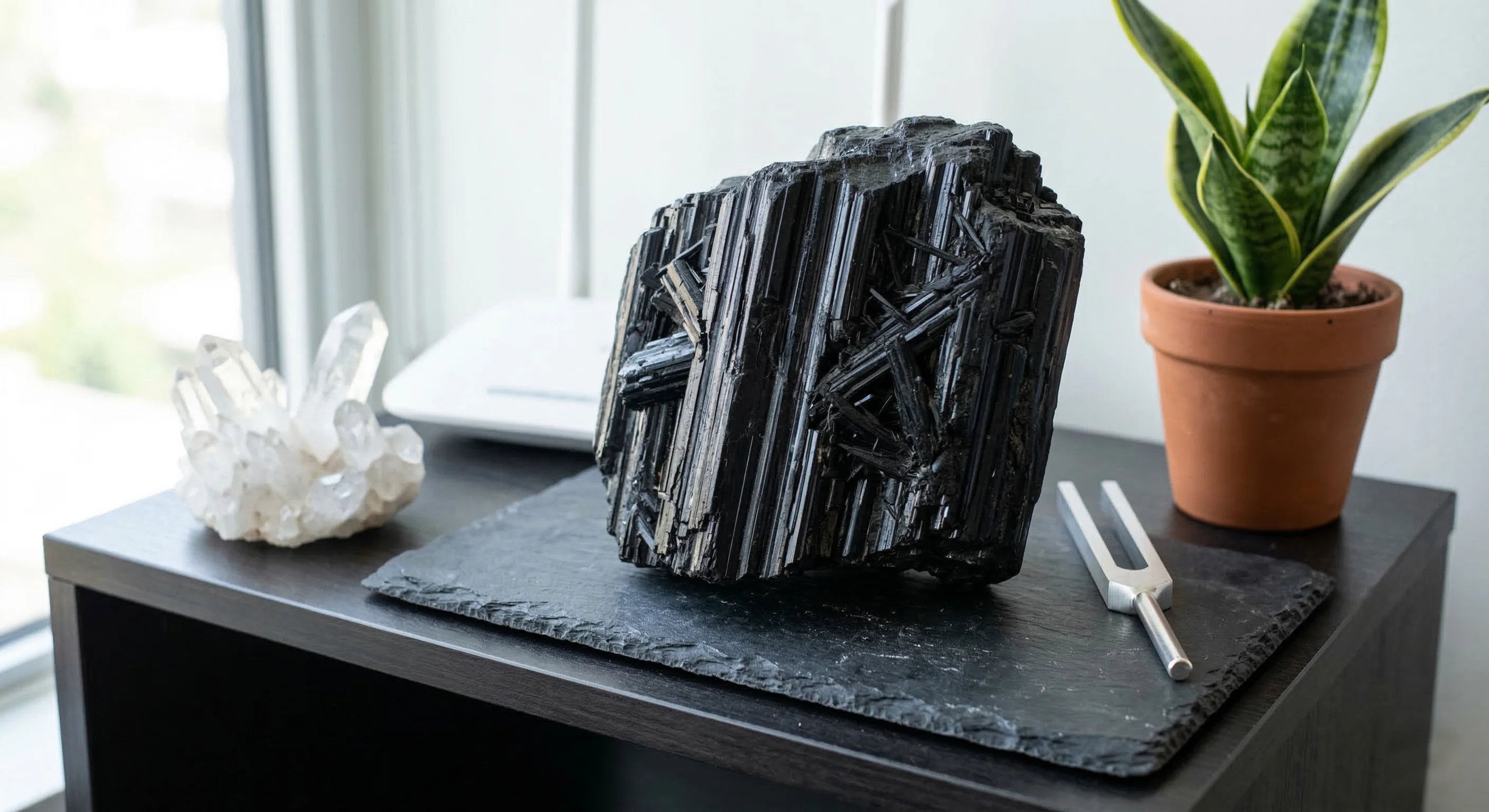
Entryway Sentinels aren't decor; they are deliberate physical obstacles. Placing a massive, rough-hewn mineral installation directly at the threshold forces you to look down, alter your gait, and physically register the shift in environment.
- ✦ The Olfactory Door: Ditch synthetic plugins. Use heavy botanical notes (vetiver, cedar) to create an invisible, grounding threshold.
- ✦ Mineral Boundaries: Anchor corners with raw stones to visually counteract the aggressive, flat geometry of modern screens.
Interactive: Anchor the Space
Drag the raw Tourmaline stones (⬢) into the four corners of the room plan to establish visual harmony and anchor the grid.
The Friction: The Hidden Costs of Heavy Installations +
Let’s talk logistics, because Instagram renders don't show you the structural damage. If you want to use large, raw geological specimens—like a 150-pound chunk of unpolished black tourmaline—as an entryway sentinel, you cannot just drop it on a credenza.
I learned this the hard way in 2023. A client insisted on placing a massive amethyst geode directly onto a custom-milled, floating white oak shelf. Two weeks later, the microscopic grit shedding from the raw stone, combined with its sheer density, had completely ruined the wood finish and started to pull the mounting hardware from the drywall.
The trade-off for authentic texture is maintenance. Raw stones shed dust. They require custom, padded iron plinths to distribute weight safely across floor joists. You have to clean them with compressed air because taking a damp cloth to a raw mineral will just create mud in the crevices. If you want the visual gravity and the profound tactile contrast these pieces bring to a smooth modern room, you have to engineer the space to hold them. Anything less is just a hazardous decoration.
From Cold Concrete to Soft Eco-Brutalism
Stop painting walls pure white. It is visually exhausting. We are synthesizing visually heavy, grounding mass with soft, tactile comfort to create spaces that absorb light and sound rather than reflecting it.
The stark, echo-inducing aesthetic of the 2010s is behind us. In its place, 2026 introduces Warm Minimalism. When heavy, natural materials are paired with deeply plush, organic textiles, you achieve a balance that feels instantly relaxing. It provides a stunning, organic contrast to the inevitable presence of sleek, modern furniture.
Artisan Plaster Finishes
By integrating natural silicates into wall finishes, we create a room that visually softens the harsh glare of modern LED lighting. The velvety texture breaks up light waves and reduces acoustic bounce, creating a hushed, cozy atmosphere perfect for unwinding.
The Trade-off: Living with Porous Surfaces +
There is a romanticized view of using natural materials like Tadelakt, Roman Clay, or Hempcrete in living spaces. Let me break that illusion. Standard acrylic paint is practically bulletproof; you can scrub it with chemical cleaners and it barely fades. Artisan plaster is the exact opposite.
Natural plaster is inherently porous. It breathes, which is why it regulates room humidity and acoustic echo so beautifully. But if you spill a glass of red wine against a raw limestone wash wall? That stain is permanent unless you immediately treat it, and even then, you'll likely have to re-wax and re-burnish that specific section. The installation process itself is arduous. Hempcrete requires weeks to properly cure and dry out before you can even think about moving furniture in, and during that time, the interior humidity of the house spikes dramatically.
You are trading effortless durability for an unmatched sensory experience. If you have toddlers who draw on walls or pets that rub against corners, you must accept that these materials will develop a 'patina'—a polite architectural term for visible wear and tear. You don't install Soft Eco-Brutalism for perfection; you install it for character and acoustic softness.
Designing the 2026 Micro-Habitats
The vast open-plan living trend destroyed the concept of coziness. We are re-compartmentalizing homes into highly specialized zones to escape the ambient gaze of shared spaces.
The Focus Nook
A dedicated corner for deep work, visually isolated from leisure areas.
The Analogue Lounge
A space utilizing heavy natural textures and plush seating for conversation.
The Unplugged Pod
A screen-free micro-architecture insertion wrapped in acoustic panels.
The Analogue Lounge
Engineered for mindful relaxation. Characterized by Warm Minimalism, utilizing heavy natural textures softened by organic textiles. Lighting flows with the day to encourage evening unwinding. The primary focal point is a low, monolithic coffee table or fireplace, entirely removing televisions from the direct line of sight.
The Claustrophobia Risk of "Silent" Pods +
Everyone says they want a perfectly silent, isolated room to escape the noise of their family and devices. But as an architect, I have to warn clients about the psychological shock of true anechoic (echo-free) environments. When we first started building heavily insulated "Unplugged Pods," we did our jobs too well.
We used dense rock wool insulation and heavy velvet draping. We dropped the ambient noise level of a Manhattan apartment from a buzzing 45 decibels down to a dead 15 decibels. The result? Clients couldn't stay in the room for more than twenty minutes. Without ambient acoustic reflection, you start hearing the blood rushing in your own ears. The isolation shifts from relaxing to intensely claustrophobic.
Total silence is unnatural. A successful micro-habitat requires engineered white noise. We now intentionally design baffled HVAC vents to introduce a gentle, consistent whisper of airflow into these pods. We also incorporate subtle, warm-toned grazing lights on heavily textured walls so the eyes have depth to focus on. You don't want a sensory deprivation tank; you want a controlled, gentle sensory filter.
The Paradox of 2026: Technology That Hides
The highest luxury is an unplugged aesthetic. Stop showcasing your gadgets. We are moving away from blinking routers toward unobtrusive systems that support our routines without demanding our attention.
Ambient Lighting Flow
Click the button to simulate how architectural lighting shifts imperceptibly. Removing harsh cool tones helps prepare the mind for a restful evening, mimicking natural daily rhythms without a single screen interface.
Digital Quiet Zones
By mapping and minimizing digital distractions (screens, background notifications), we create dedicated "offline" areas that promote cognitive relief.
Perceived Aesthetic Calmness
Percentage increase in perceived spatial calmness based on specific design interventions.
The Maintenance Nightmare of "Invisible" Systems +
Clients constantly ask me to "hide everything." They want speakers mudded flawlessly into the ceiling drywall. They want lighting drivers shoved into wall cavities behind custom millwork. They want the aesthetic of a completely wire-free existence.
I always tell them: If you bury the tech, you are burying a time bomb. Every piece of hardware fails eventually. A circadian lighting system relies on complex LED drivers and low-voltage wiring. When a driver inevitably burns out after four years, a "flawlessly hidden" system means an electrician has to literally cut open your beautiful artisan plaster wall to replace a $40 part.
The veteran approach to "Technology That Hides" is designing elegant, accessible infrastructure. We use magnetic, paint-matched access panels. We route cabling through heavy, beautifully crafted wooden baseboards that can be unscrewed. True luxury isn't a lack of seams; it is the peace of mind knowing that when the hidden system needs an upgrade, it won't require a demolition crew in your living room.
Expert References & Literature
- 🔗 Center for Environmental Design Research, UC Berkeley: Spatial Layout and Cognitive Load in High-Density Urban Housing (2024).
- 🔗 Architect of the Capitol (.gov): Acoustic Properties of Untreated Stone and Masonry Vaulting.
- 🔗 U.S. Green Building Council (USGBC): Biophilic Design 2.0: Moving Beyond Visual Mimicry to Tactile Mass (2025).
Black Tourmaline: Environmental Detox & Tech-Wellness
ENCRYPTION_ACTIVE

Clara Vance
Investigator Profile
I’m Clara, a lapidary artist and somatic practitioner based in Santa Fe, New Mexico. I’ve spent years physically cutting, shaping, and studying the structural anatomy of minerals. I know Schorl intimately—from its vertical striations to its dense, iron-rich core. But I don't just cut stones; I study how their physical weight interacts with human physiology. I created my corner of BlkTourm to offer a fully integrated perspective. Here, we break down the hard mineralogy of authentic Black Tourmaline, design 'wearable armor' using un-dyed raw material, and explore how holding that specific geological density provides immediate tactile feedback to pull you out of an anxiety spike. It's where earth science meets body awareness.